
Gum recession is more than a cosmetic concern—it’s a serious oral health issue that can leave your teeth vulnerable to decay, sensitivity, and even loss. If you’ve noticed your teeth looking longer or feel a twinge of pain when you drink something hot or cold, you might be experiencing gum recession. This condition occurs when the gum tissue that surrounds and protects your teeth pulls back, exposing more of the tooth or its root surface.
The big question many patients ask is: Can gum recession be reversed? The short answer is no—not naturally. Once gum tissue has receded, it does not grow back on its own. However, the good news is that modern dental techniques can stop recession from getting worse and, in many cases, restore the appearance and function of your gums.
In this blog, we’ll explore the causes, what gum recession treatments in Lakewood are available, and how to prevent it from happening in the first place.
What Causes Gum Recession?
Gum recession doesn’t happen overnight. It’s usually the result of several factors, many of which can be managed or treated. The most common causes include:
- Poor Oral Hygiene: Not brushing or flossing effectively can lead to plaque and tartar buildup, which can irritate and inflame the gums, eventually leading to recession.
- Aggressive Brushing: Using too much force or a hard-bristled toothbrush can wear away gum tissue over time. Gentle brushing with a soft-bristled brush is best.
- Genetics: Some people are simply more prone to gum recession, no matter how well they care for their teeth.
- Smoking or Tobacco Use: Tobacco restricts blood flow to the gums, interfering with healing and making recession more likely.
- Hormonal Fluctuations: Especially in women, hormonal changes during pregnancy, menstruation, or menopause can increase gum sensitivity and the risk of recession.
- Grinding or Clenching (Bruxism): Constant pressure on your teeth can stress gum tissue and lead to recession.
- Misaligned Teeth or Bite: Teeth that are out of alignment can place excessive force on the gums and bone, causing them to recede.
Can Gum Recession Be Reversed?
Unfortunately, gum tissue that has already receded will not regenerate naturally. But that doesn’t mean you’re out of options. The goal of treatment is to stop the progression of the condition, reduce symptoms like sensitivity, and in many cases, restore gum coverage over the exposed roots.
Here are some of the most effective treatment options:
Scaling and Root Planing
This non-surgical, deep cleaning treatment removes plaque and tartar buildup from below the gum line and smooths the surface of the tooth roots. This helps the gums reattach more effectively and reduces inflammation.
Desensitizing Agents
Toothpastes or in-office treatments formulated for sensitive teeth can block the exposed dentin and reduce discomfort caused by gum recession.
Gum Grafting
Gum grafting is a traditional surgical approach that uses tissue—either from the roof of your mouth or donor material—to cover exposed roots. This helps prevent further recession and protects against root decay.
Regenerative Procedures
If gum recession has been caused by advanced periodontal disease that also affected the underlying bone, regenerative procedures may be recommended. These can include membrane placement, tissue-stimulating proteins, or bone grafts to help rebuild lost support.
Advanced Minimally Invasive Treatments: LANAP and the Pinhole Surgical Technique
At Colorado Advanced Dentistry, we offer modern alternatives to traditional gum surgery that are less invasive, more comfortable, and provide faster healing with impressive cosmetic results.
LANAP (Laser-Assisted New Attachment Procedure)
LANAP is a revolutionary laser treatment that targets and removes diseased gum tissue while preserving healthy tissue. It also stimulates the growth of new bone and connective tissue. This FDA-cleared technique is ideal for patients with gum disease-related recession and offers benefits such as:
- No scalpels or sutures
- Less bleeding and discomfort
- Minimal downtime
- Promotes true regeneration of bone and gum tissue
LANAP is a powerful way to stop the progression of gum disease and recession, all while supporting your body’s natural healing process.
Pinhole Surgical Technique (PST)
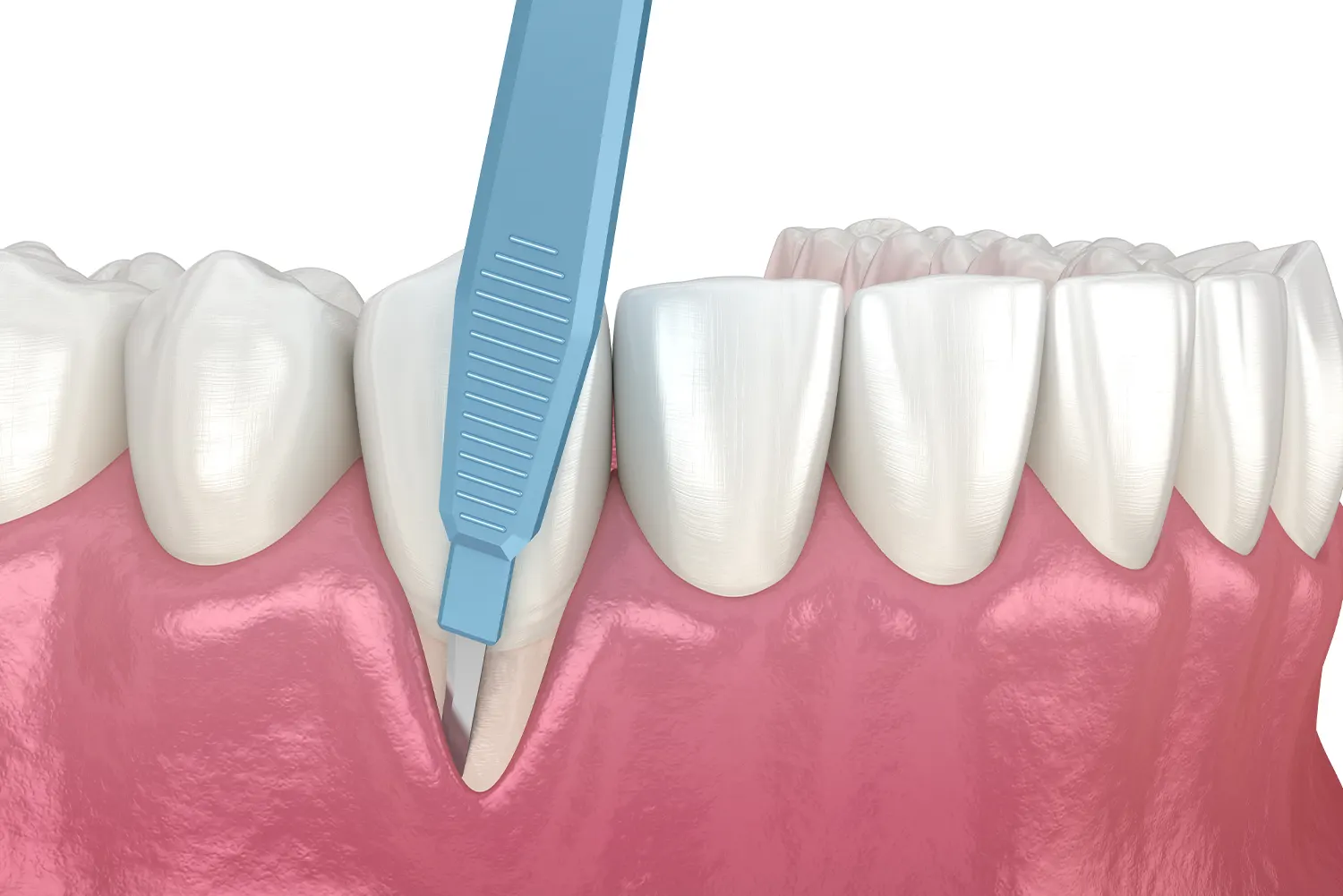
The Pinhole Surgical Technique is another minimally invasive option for treating gum recession. Instead of cutting and stitching, a tiny pinhole is made in the gum tissue. Through this opening, the tissue is gently loosened and repositioned over the exposed root. The benefits of PST include:
- No surgical incisions
- Minimal discomfort and swelling
- Faster recovery time
- Natural-looking results
PST is especially effective for patients who want to avoid the downtime of traditional gum grafting or need treatment on multiple teeth.
Preventing Gum Recession from the Start
Prevention is the best medicine when it comes to gum recession. While some risk factors (like genetics) are out of your control, many causes can be managed with the right care. Here’s how to protect your gums:
- Brush Gently, Twice a Day: Use a soft-bristled toothbrush and avoid aggressive brushing.
- Floss Daily: Flossing removes plaque and bacteria between the teeth and under the gumline where your toothbrush can’t reach.
- Visit the Dentist Regularly: Routine cleanings and exams help catch early signs of gum disease before it leads to recession.
- Protect Against Grinding: If you grind your teeth at night, a custom-fitted nightguard can help prevent damage to your gums and teeth.
- Stop Smoking: Quitting tobacco use significantly lowers your risk of gum disease and improves your overall oral health.
When to See a Dentist About Receding Gums
If you’re noticing signs of gum recession—such as tooth sensitivity, visible root surfaces, or changes in how your teeth look—don’t wait. Early intervention can stop recession from getting worse and help restore your smile.
At Colorado Advanced Dentistry in Lakewood, CO, Dr. Mark Whatcott offers expert care backed by the latest techniques in periodontal treatment, including LANAP and the Pinhole Surgical Technique. Whether you’re in the early stages of gum recession or need more advanced care, we’re here to guide you every step of the way.
Schedule Your Consultation in Lakewood, CO
Receding gums may not grow back on their own, but with the right care, they can be treated—and your smile can be restored. At Colorado Advanced Dentistry, we take a personalized, compassionate approach to every patient’s care. Dr. Whatcott and our team will help you understand your options and create a treatment plan that fits your needs and goals.
📞 Call us today at (303) 986-9337 or request an appointment online to take the first step toward healthier gums and long-term oral wellness. Your smile deserves expert attention—and we’re here to help.