
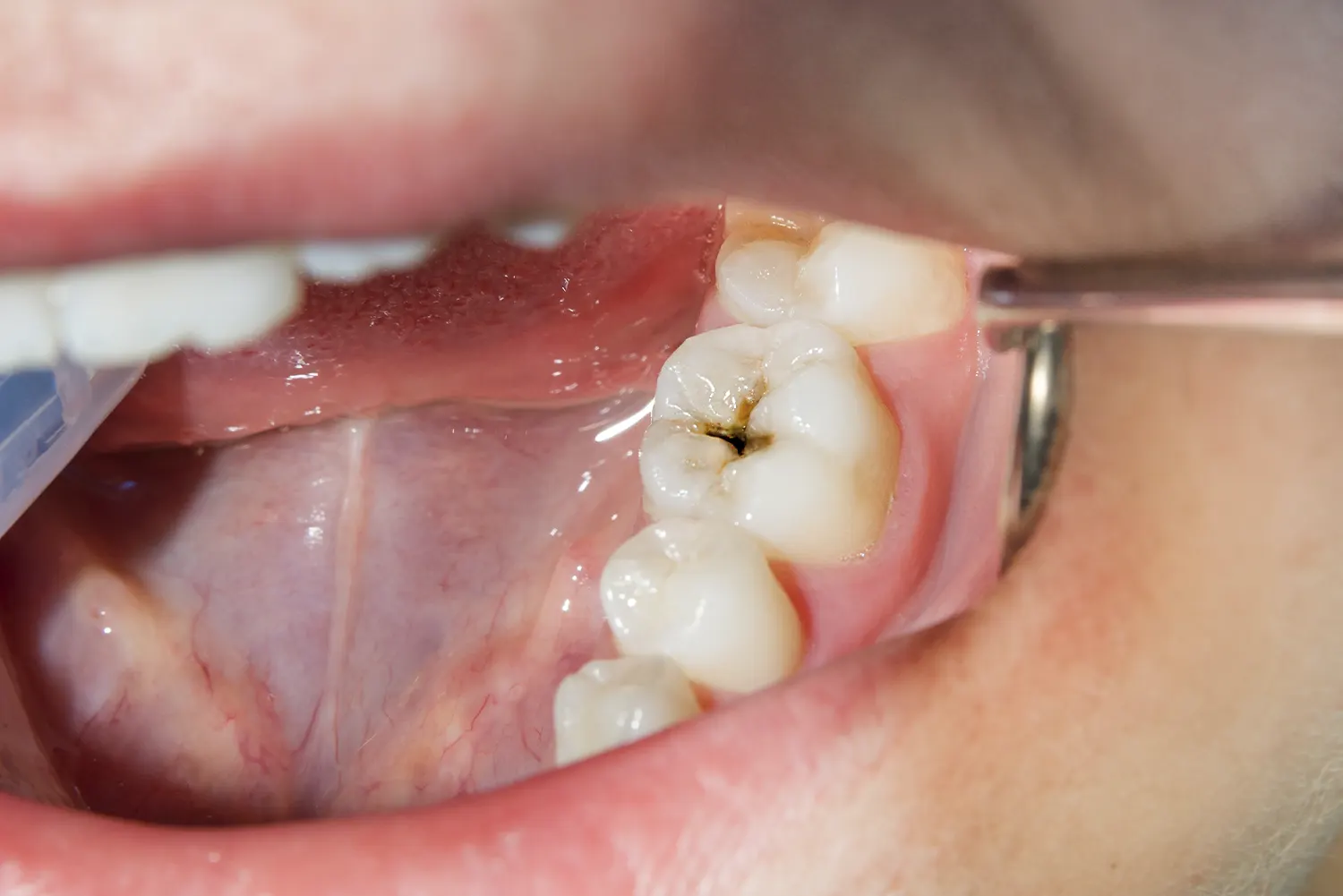
When it comes to your oral health, knowing when to seek immediate dental care can make the difference between a simple filling and a more invasive procedure, such as a root canal. Failing to seek help for a cavity can even lead to tooth loss in the long term.
Cavities are one of the most common dental issues faced by people of all ages, but they don’t always come with dramatic symptoms that scream “emergency.” So how do you know when a cavity crosses the line from a routine dental concern to an urgent matter?
In this post, we’ll break down what a cavity is, when it becomes a dental emergency, and what can happen if it’s left untreated. We’ll also offer expert advice from the team at Colorado Advanced Dentistry in Lakewood, CO, to help you better manage your oral health and avoid preventable complications.
Understanding Cavities and Their Causes
Cavities, or dental caries, occur when bacteria in the mouth produce acid that gradually erodes tooth enamel. The enamel is the hard, outer layer of the tooth. Bacteria consume food particles in the mouth, and then they excrete acid as part of their natural digestive processes. Over time, this erosion creates holes or “cavities” in the tooth surface.
This starts out as a small “soft spot” in the tooth, which often looks whiter than the surrounding area. But as the cavity gets worse, it develops into a larger hole in the tooth, and eventually can reach the softer dentin and the nerve-filled pulp, causing infection.
The most common causes of cavities include:
- Poor oral hygiene: Infrequent brushing and flossing allow plaque and bacteria to build up. Proper at-home oral hygiene, including brushing twice a day and flossing once daily, is the best way to prevent cavities.
- Diet high in sugar and carbohydrates: Sugary foods fuel the bacteria that cause decay. Sugary drinks are especially common culprits of cavities, since the sugary liquid coats your entire mouth.
- Inadequate fluoride: Fluoride strengthens enamel and helps resist decay. For this reason, it’s important to drink tap water that’s fluoridated, and to incorporate fluoride toothpaste and mouthwash into your daily routine.
- Dry mouth (xerostomia): Saliva helps neutralize acids and remineralize teeth. A lack of saliva increases cavity risk. Dry mouth can be caused by dehydration, certain medical issues, or even some medications.
While a small cavity might not cause immediate pain, that doesn’t mean it should be ignored. Cavities are progressive, and without treatment, they will only worsen over time.
When Does a Cavity Become a Dental Emergency?
In its early stages, a cavity might be discovered during a routine dental check-up with little to no symptoms. However, as decay spreads, it can lead to more serious symptoms and complications. A cavity becomes a dental emergency when it causes:
- Persistent or severe tooth pain, which could indicate the decay has reached the tooth’s nerve.
- Sensitivity to hot, cold, or sweet foods that lingers after the stimulus is gone.
- Visible holes or black spots on the tooth.
- Swelling, gum tenderness, or pus around the affected area.
- Fever or general illness, which may signal an infection spreading beyond the tooth.
If you experience any of these symptoms, don’t wait. Dental infections can escalate quickly, potentially affecting your overall health. Prompt treatment can prevent the need for more extensive procedures like root canals or extractions.
Risks of Ignoring a Cavity
Delaying treatment for a cavity may seem tempting—especially if you’re not in pain—but doing so comes with serious risks. Untreated cavities can lead to:
- Worsening pain and reduced ability to chew comfortably.
- Spread of infection to nearby teeth, gums, or even the jawbone.
- Tooth abscesses, which are pockets of pus that form from a bacterial infection and can be life-threatening if not treated.
- Permanent tooth damage or tooth loss, sometimes requiring implants, bridges, or dentures.
- Increased dental costs, as more advanced decay requires more complex (and costly) treatment.
Early treatment is not only more effective but also more affordable. A simple filling is far simpler and less expensive than a crown or root canal.
Preventive Measures and Treatment Options
The good news? Cavities are largely preventable with proper oral care and healthy habits. Here’s how you can protect your teeth and avoid dental emergencies:
Preventive Tips:
- Brush at least twice daily with fluoride toothpaste.
- Floss once a day to remove plaque and food particles between teeth.
- Limit sugary and acidic foods, including sodas, juices, and sticky snacks.
- Use a fluoride mouthwash for added enamel protection.
- Visit your dentist every six months for professional cleanings and checkups.
Treatment Options:
If a cavity is diagnosed, your dentist will recommend the most appropriate treatment based on the extent of the decay:
- Dental Fillings: The most common treatment for small to moderate cavities.
- Crowns: Used when decay is too extensive for a filling but the tooth structure can still be saved.
- Root Canal Therapy: Required when decay reaches the tooth pulp and causes infection or severe pain.
- Tooth Extraction: Necessary when the tooth is beyond repair, followed by replacement options like implants or bridges.
At Colorado Advanced Dentistry, Dr. Whatcott and our team will carefully assess your condition and develop a personalized treatment plan to restore your smile.
Take Action for Your Dental Health in Lakewood, CO
While not every cavity is an emergency, waiting too long can turn a minor issue into a serious problem. If you’re experiencing pain, visible decay, or signs of infection, don’t delay seeking care for your cavity. Even if you’re not currently in discomfort, regular dental visits can catch cavities early, often before they cause symptoms.
At Colorado Advanced Dentistry, Dr. Mark Whatcott and his experienced team are committed to helping patients protect and restore their oral health with compassionate, comprehensive care.
Call us today at (303) 986-9337 to schedule your appointment or to learn more about our services. Whether you need a routine check-up or urgent dental care, we’re here to support your smile, both now and in the long term.