
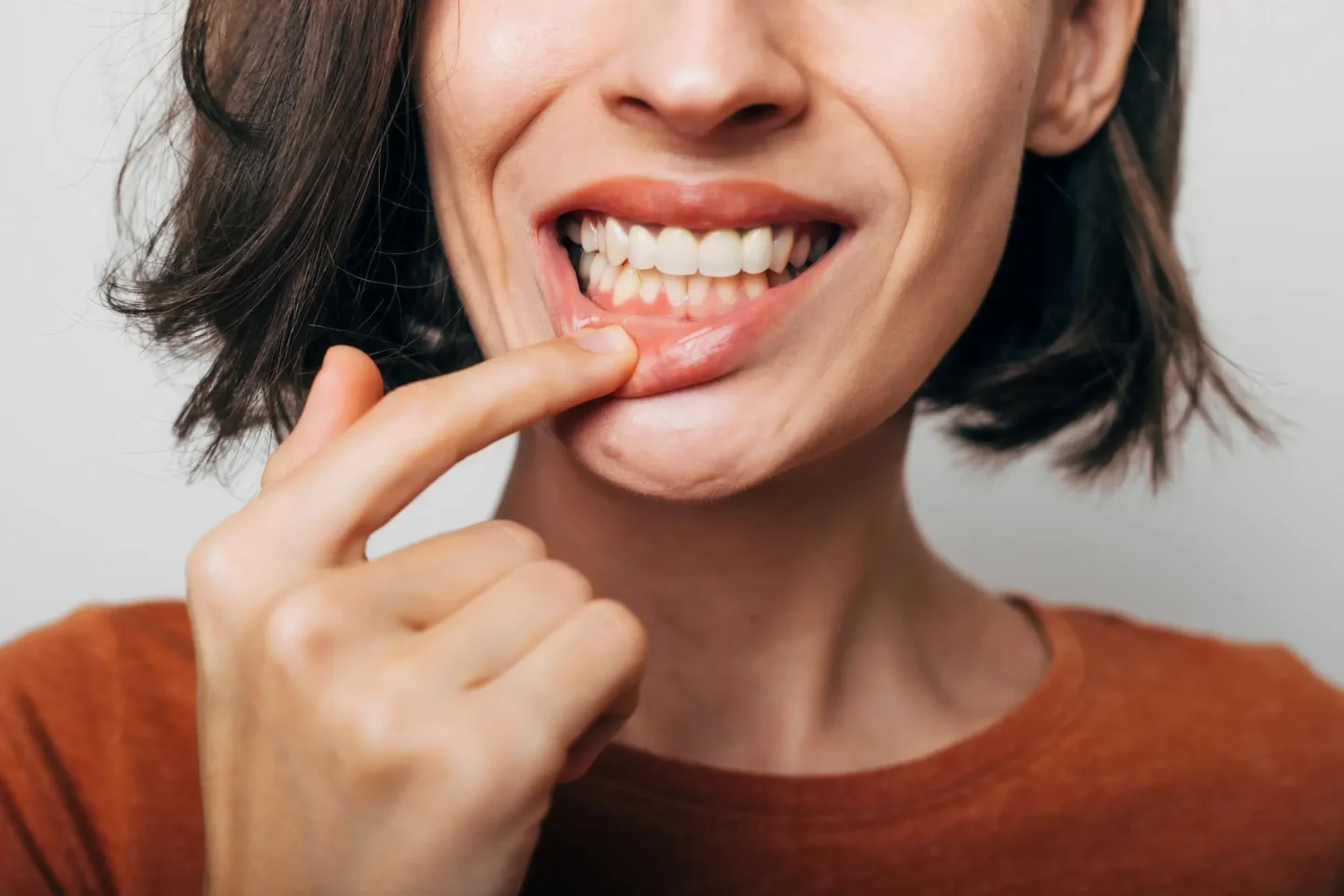
Gum surgery can be a crucial step in restoring and protecting your oral health—especially when managing advanced periodontal disease or preparing for dental procedures like implants. But the success of your treatment doesn’t just depend on what happens in the dentist’s chair. Your recovery process plays a major role in how well your gums heal and how effective your results are long-term.
At Colorado Advanced Dentistry, Dr. Mark Whatcott and our team are here to help you every step of the way. In this guide, we’ll walk you through what to expect during the healing process—from the immediate post-surgery period to long-term maintenance—so you can feel confident, informed, and supported throughout your recovery.
The Immediate Post-Surgery Phase: First 24–48 Hours
The healing process begins the moment your surgery ends. The first 24 to 48 hours are often the most intense in terms of symptoms, but they’re also the most important time to be gentle with your body and follow all post-operative instructions carefully.
Here’s what you may experience—and how to manage it:
- Bleeding and Swelling
It’s common to have minor bleeding and swelling at the surgical site during the first day or two. To minimize swelling:- Apply a cold compress or ice pack to the outside of your face in 10-minute intervals.
- Keep your head elevated when resting.
- Avoid excessive activity or bending over.
- Pain or Discomfort
Your gums will be tender, especially once the anesthesia wears off. Your dentist may recommend:- Over-the-counter pain medication like ibuprofen or acetaminophen.
- Prescribed medications if a more involved procedure was done.
- Take medication as directed and don’t wait until the pain becomes severe—early management is key to staying comfortable.
- Dietary Restrictions
Stick to cool, soft foods for the first few days:- Mashed potatoes, yogurt, scrambled eggs, applesauce, and smoothies are all great options.
- Avoid spicy, crunchy, sticky, or very hot foods, which can irritate healing tissue.
- Don’t use straws for the first 48 hours to avoid disrupting any blood clots or stitches.
The First Week of Recovery: Gentle Care is Key
As you move into the first week after surgery, your gums will begin the process of tissue regeneration. You’ll likely notice a steady improvement in your comfort level—but your care routine still matters greatly.
Oral Hygiene During the First Week
Keeping your mouth clean is crucial to prevent infection and promote healing:
- Use a soft-bristled toothbrush, and avoid the surgical area unless your dentist instructs otherwise.
- Rinse gently with saltwater or any prescribed mouth rinse. Avoid vigorous swishing.
- You may be instructed to delay flossing near the surgical site until it’s more fully healed.
Lifestyle Tips to Support Healing
- Avoid smoking or using any tobacco products—these can significantly delay healing and increase the risk of complications.
- Stay hydrated and rest as much as possible.
- Avoid alcohol, as it can interfere with healing and some medications.
By the end of week one, bleeding and discomfort should subside significantly. If pain worsens or you notice signs of infection (such as pus, fever, or foul odor), contact your dentist right away.
Weeks Two to Four: Strengthening and Regrowth
By the second week, the most noticeable post-op symptoms usually begin to fade. At this stage, your body continues to repair soft tissues and rebuild gum attachment to the teeth or underlying structures.
What to Expect
- Swelling and tenderness should be mostly resolved.
- You may still need to be cautious around the surgical site when brushing and eating.
- Stitches—if not dissolvable—may be removed during a follow-up visit around this time.
Return to Normal Activities
Depending on the extent of your surgery, many patients can begin returning to a more normal diet and routine by this stage. Still, it’s important to:
- Continue avoiding very hard or chewy foods that could irritate the area.
- Brush and floss carefully to avoid trauma to the healing gums.
- Keep attending any follow-up appointments to ensure healing is progressing as expected.
Weeks Four and Beyond: Long-Term Gum Health
After about 3–4 weeks, most of the gum tissue should be well on its way to full healing. However, healing times can vary based on the type of gum surgery you had, your personal health, and how well you followed post-op instructions.
If you had more extensive surgery, such as grafting or osseous surgery, full healing could take a few months. It’s essential to be patient and diligent during this time.
Ongoing Maintenance Tips
To support the long-term health of your gums:
- Brush twice a day with a soft-bristled toothbrush.
- Floss daily, using tools like floss picks or water flossers if needed.
- Consider an antimicrobial mouthwash to help keep bacteria at bay (ask your dentist for a recommendation).
- Eat a balanced diet rich in vitamins and minerals—especially vitamin C, which supports tissue repair.
- Manage medical conditions like diabetes, which can affect your healing rate and oral health.
Common Questions About Gum Surgery Recovery
When can I eat normally again?
You can begin reintroducing firmer foods after the first week, depending on your comfort. Always check with your dentist for personalized guidance based on your healing progress.
How long does full healing take?
While initial healing typically occurs within 2–3 weeks, full tissue regeneration can take up to 6–12 weeks or longer, especially if bone or grafting was involved.
What if I have stitches?
Some stitches dissolve on their own within a few days. If you received non-dissolvable sutures, your dentist will schedule a follow-up to remove them—usually within 7 to 14 days.
The Importance of Follow-Up Appointments
Don’t skip your post-operative visits! These check-ins allow your dentist to:
- Monitor healing and remove sutures if necessary.
- Clean areas around the surgical site.
- Provide updated care instructions or make adjustments if something isn’t healing properly.
Routine follow-up care is a key part of making sure your surgery is successful and long-lasting.
Ready to Begin Your Healing Journey in Lakewood, CO?
If you’re considering gum surgery in Lakewood or have recently undergone a procedure, the team at Colorado Advanced Dentistry is here to support you every step of the way. Dr. Mark Whatcott and our dedicated staff are committed to providing personalized care to help you achieve optimal oral health. Contact us today at (303) 529-2131 to schedule an appointment and start your healing journey in Lakewood, CO. We look forward to helping you smile with confidence!